

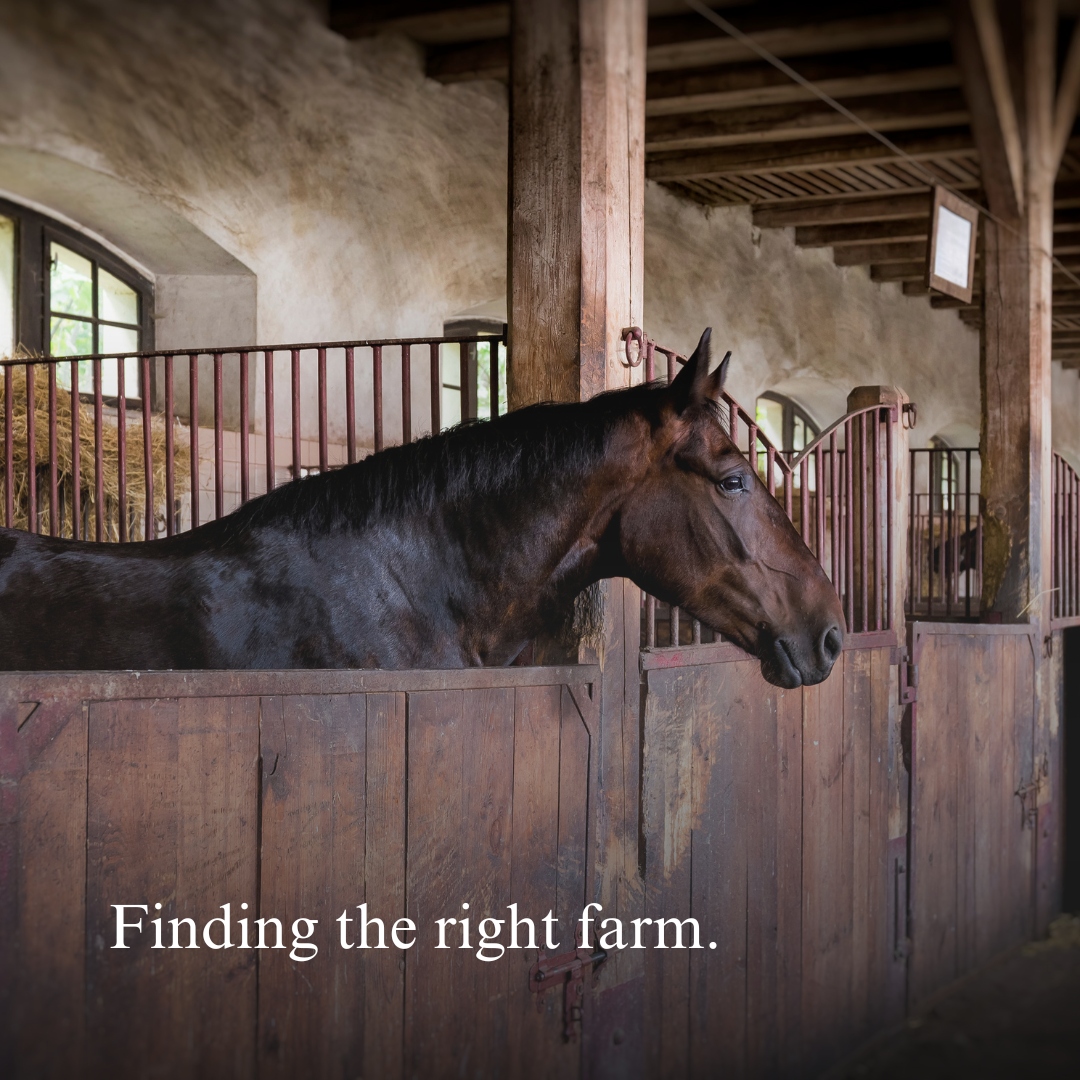
Your Guide to Finding the Perfect Farm.
Are you searching for the perfect farm or equestrian property in Maryland? Whether you're looking to expand your equestrian business, purchase a farm for personal use, or bring your horses home, finding the right property can be a life-changing decision. As an experienced real estate agent specializing in farms, equestrian properties, and country estates, I’m here to guide you every step of the way while you search for your ideal property.
What to Look for When Buying a Farm in Maryland.
Now, I feel I should start off by saying no farm is perfect and that’s ok! Any farm owner knows that there are always projects in the works whether they are in the house, the barn, or around the property. The important thing is that we find a farm that meets your needs and leaves room for you to customize to your liking down the line. Here are some key factors to consider:
Size of the Property. The of amount land you’ll need depends on your goals. Do you want a property that’s primarily for personal use or one that can accommodate a professional equestrian business? How many horses do you have? Do you keep them stalled? How you manage your horses will dictate the minimum acreage required, but I usually advise my clients that equestrians tend to expand to fill the space we are given so always budget room for new additions to your farm family as well.
Proximity to Equestrian Amenities. Are you an avid competitor or trail rider who trailers out every weekend for a new adventure? Consider commute times to show grounds or parks. You may already have a vet or farrier that you trust and considering their area of service might also be necessary.
Barn Condition. While the most obvious question is if the barn is large enough for the horses you have, we are also always on the lookout for potential repairs that may need to be addressed soon. For example, do the stalls need to be leveled or does the roof need to be replaced? Some red flags include water staining, musty smells in the tack rooms or bathrooms, and electric that is not encased.
Pasture. How much of the property is in pasture? Do you have room to fence more land if needed? Many properties are partially wooded and you need to keep in mind that clearing trees is not always permitted due to easements or county regulations. Also be on the lookout for pasture quality and standing water. It can take a long time for overgrazed pastures to recover and standing water can be expensive to remediate (though there are some county cost sharing programs that might help).
Zoning and Regulations. Check the local zoning laws regarding farming in your desired area. Some counties may have restrictions on things like the number of animals allowed, structures you can build, or how you can operate your equestrian business. For more information on this topic, you can read my blog post: Zoning For Horse Farms.
When I show farms to a client, I always make sure I have done some of the legwork before we walk in the door. I will check zoning, easements, and aerial maps to ensure that we are only spending time touring properties that will work for that client. If you are looking for a farm in Maryland, I would love to help!
Sarah is a Realtor specializing in residential and equestrian properties. She is based in Howard County, Maryland.
Posted by Sarah Lipkowitz on
Leave A Comment